
Please excuse our mess as this website is under construction

Please excuse our mess as this website is under construction
This stage is all about independence, exploration, and the arrival of new molars. Transitioning to solid foods and cups while establishing a fun, twice-daily brushing routine helps protect cavity-prone grooves and sets the stage for lifelong healthy habits.
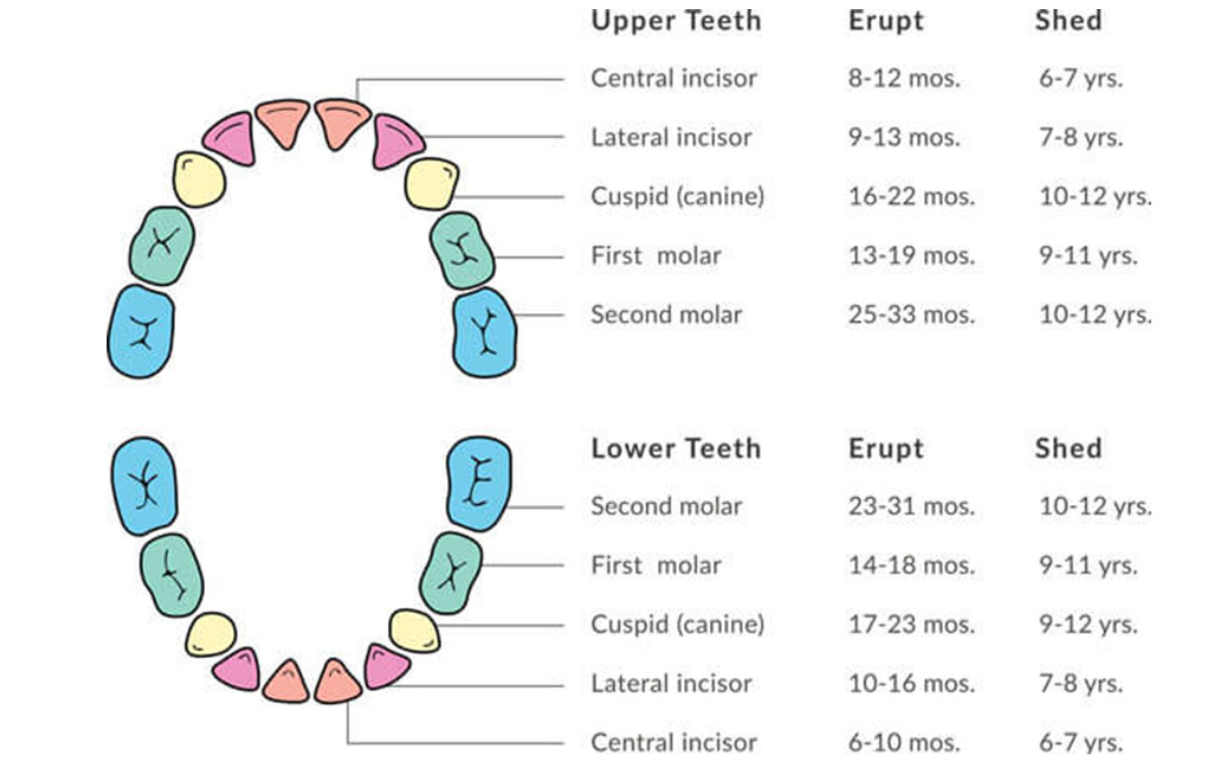
This is an active time for dental growth! Between 13–19 months, those first molars usually join the party. These teeth have deeper grooves, making them more susceptible to cavities, so keeping them clean is a top priority.

Brush morning and night with a rice-grain-sized smear of toothpaste.

Use games or timers to keep wiggly toddlers engaged.
Begin flossing gently as soon as any two teeth touch.
Encourage independence, but always follow up with a thorough parent brush.
It’s time to transition! We recommend weaning from the bottle completely by 12–18 months to protect tooth alignment and promote proper swallowing patterns. Encourage drinking from a regular open cup or a hard-spout sippy cup, and continue to guide them away from prolonged thumb or pacifier sucking.
A toddler's diet should focus on whole, crunchy foods that naturally clean the teeth while chewing. Water should be the primary beverage. Avoid these common traps for toddlers:
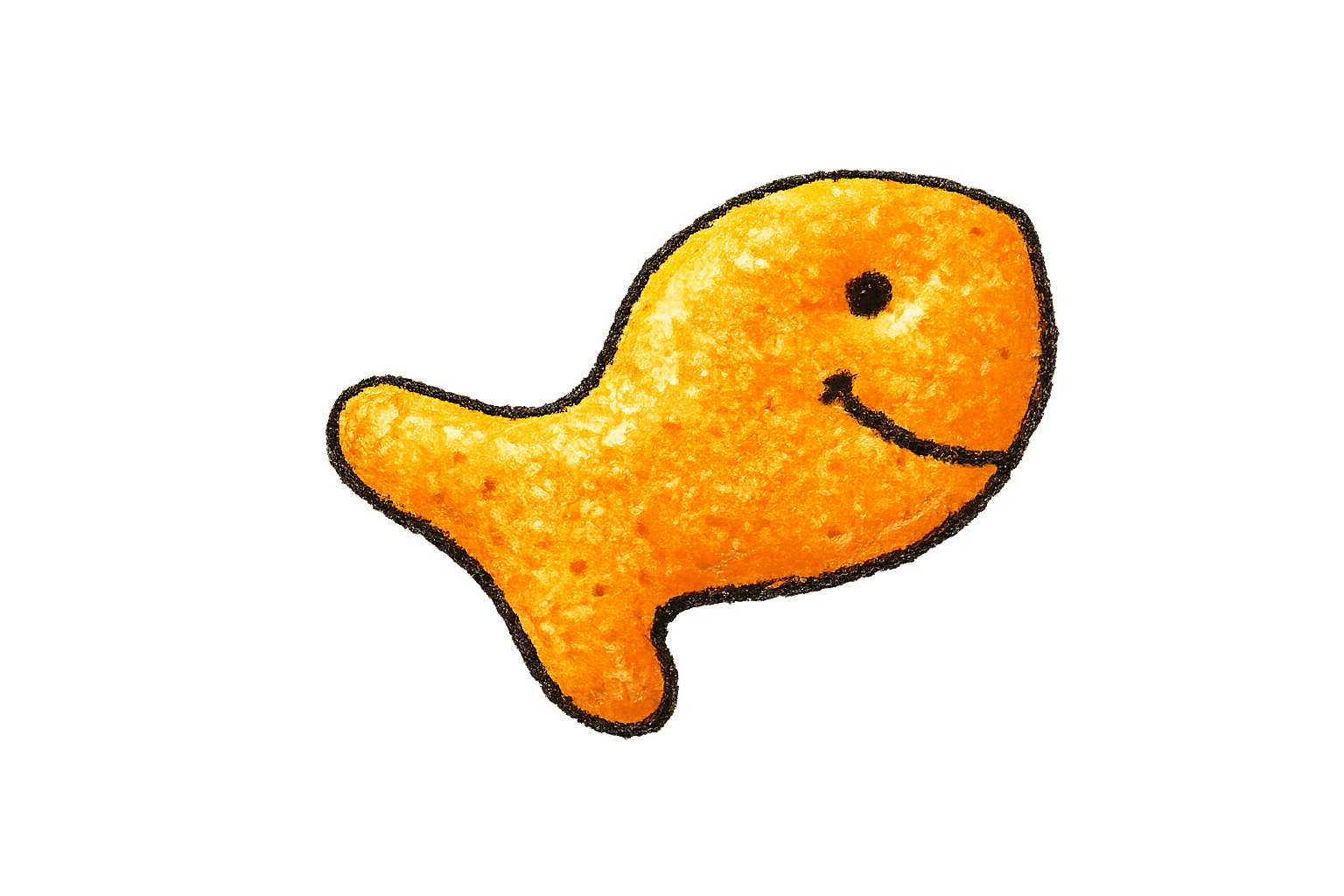
They are loaded with extreme acids that can literally dissolve the outer layer of tooth enamel, making teeth sensitive and highly prone to decay.
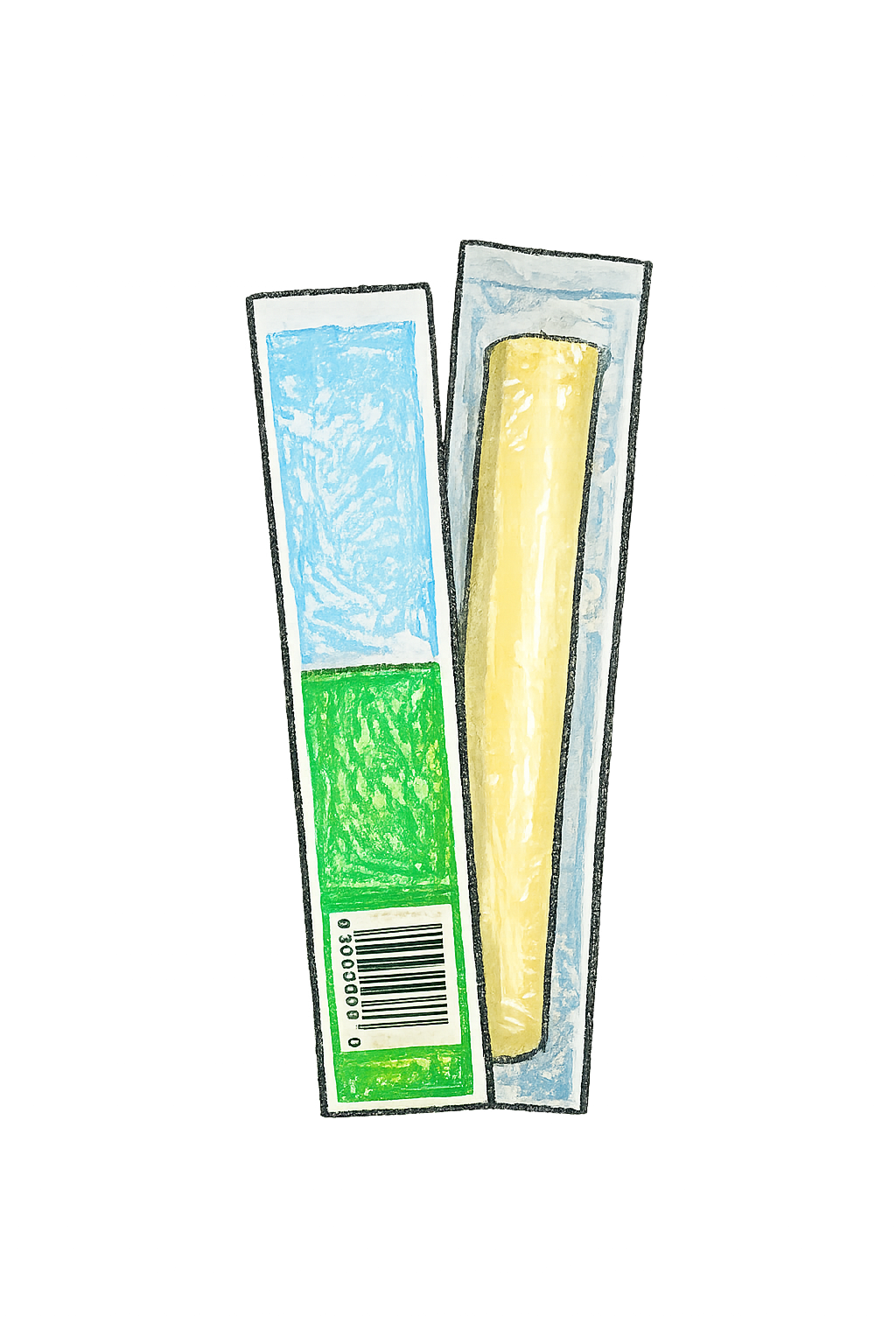
They are loaded with extreme acids that can literally dissolve the outer layer of tooth enamel, making teeth sensitive and highly prone to decay.
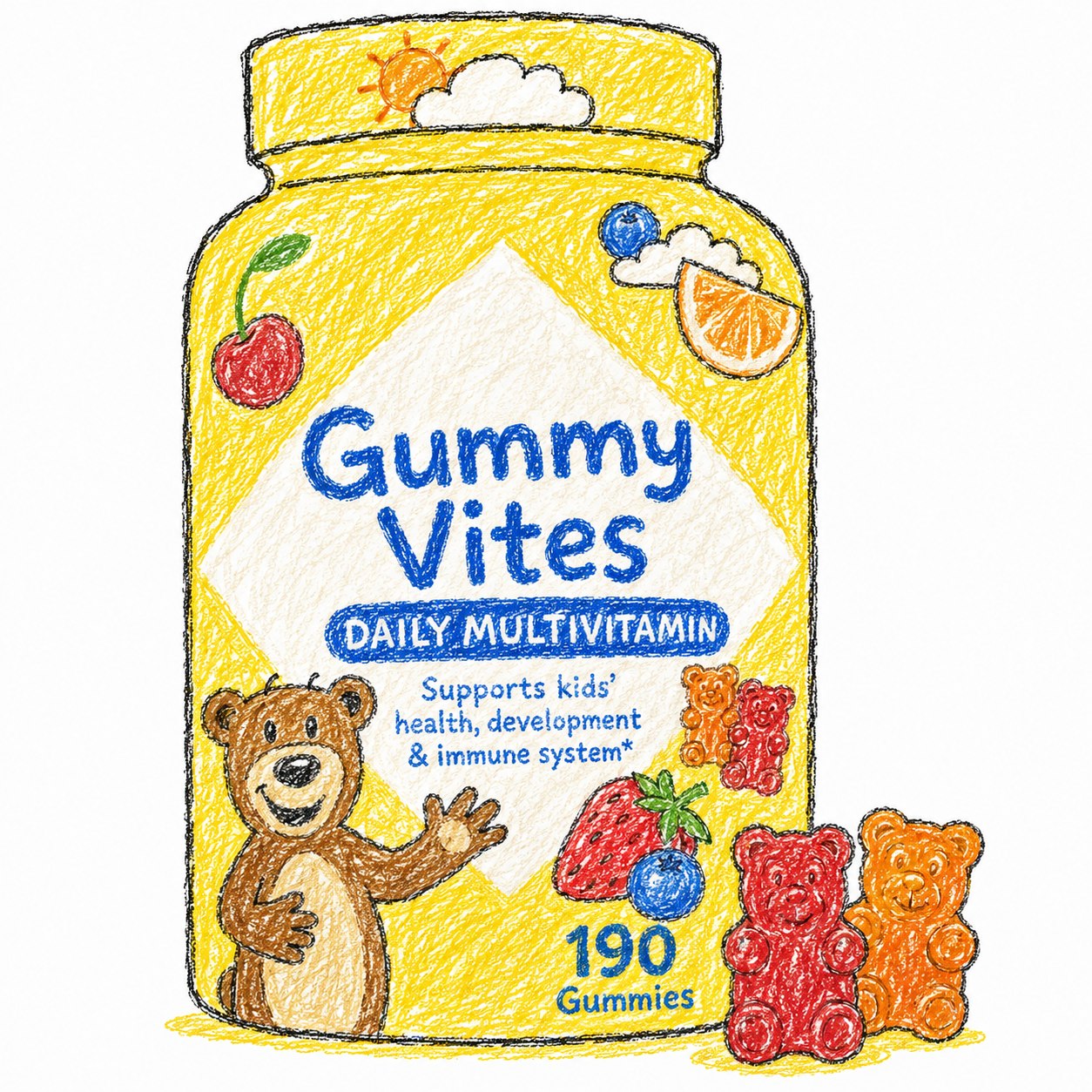
They are loaded with extreme acids that can literally dissolve the outer layer of tooth enamel, making teeth sensitive and highly prone to decay.
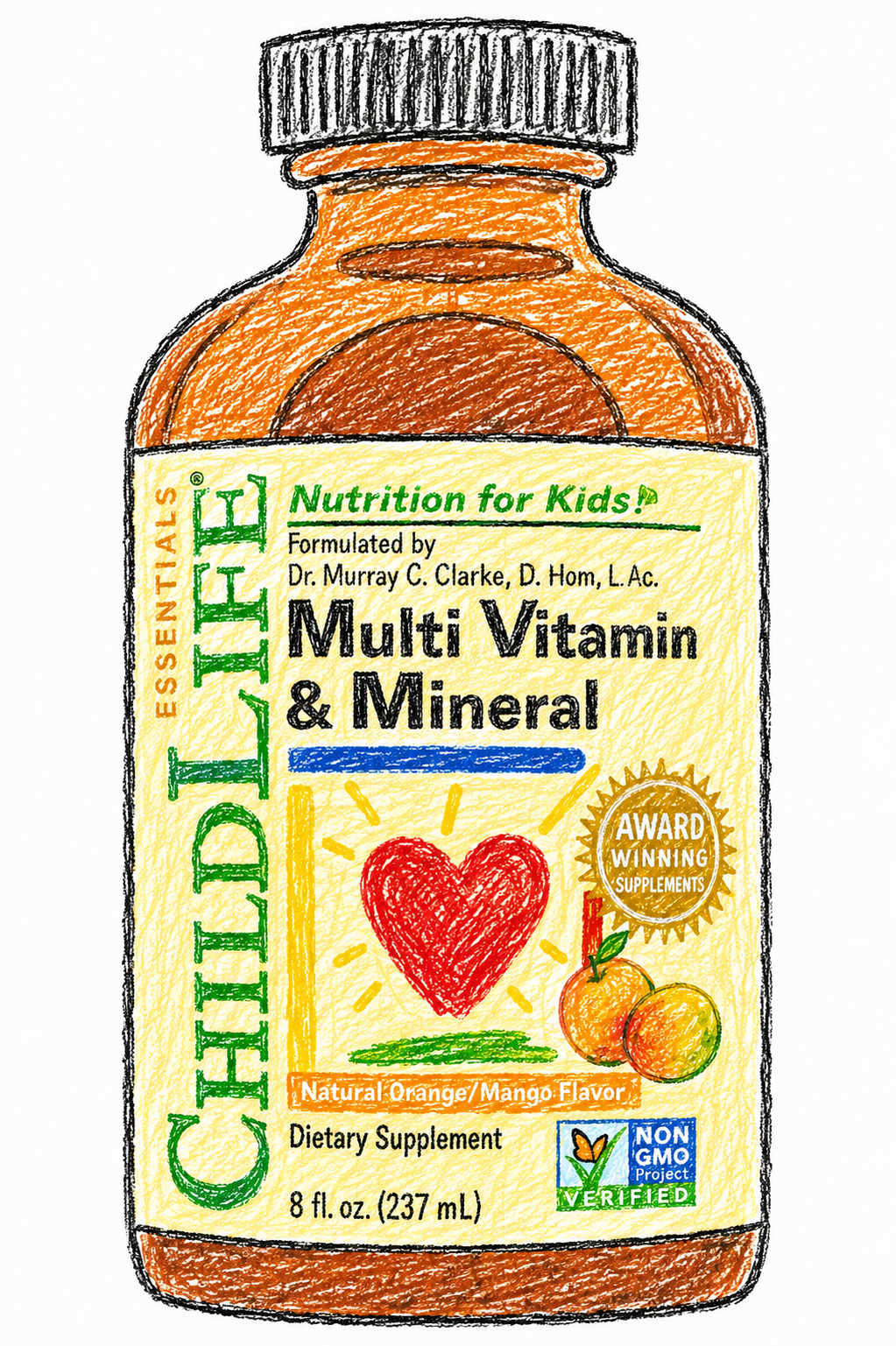
They are loaded with extreme acids that can literally dissolve the outer layer of tooth enamel, making teeth sensitive and highly prone to decay.
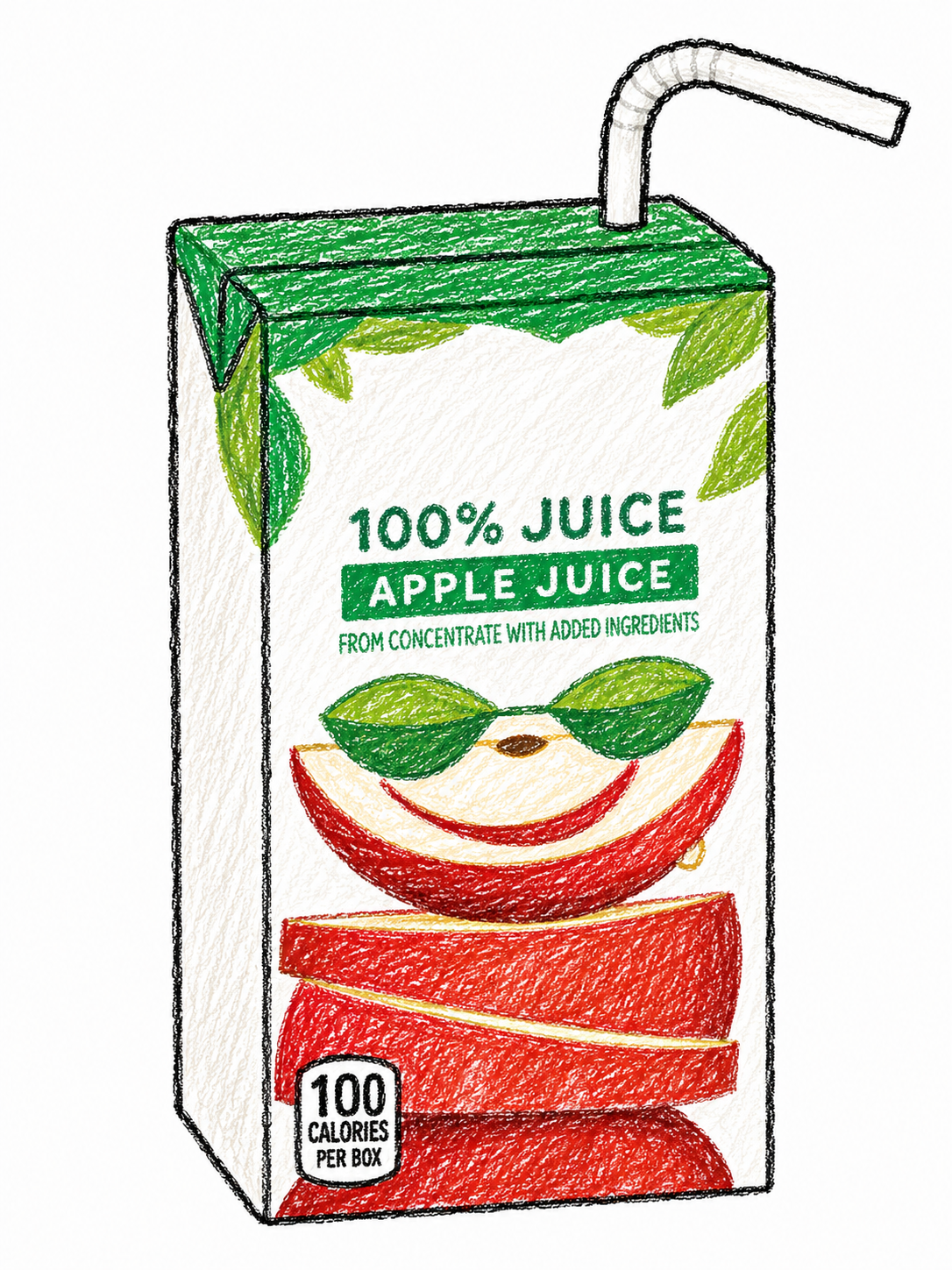
They are loaded with extreme acids that can literally dissolve the outer layer of tooth enamel, making teeth sensitive and highly prone to decay.
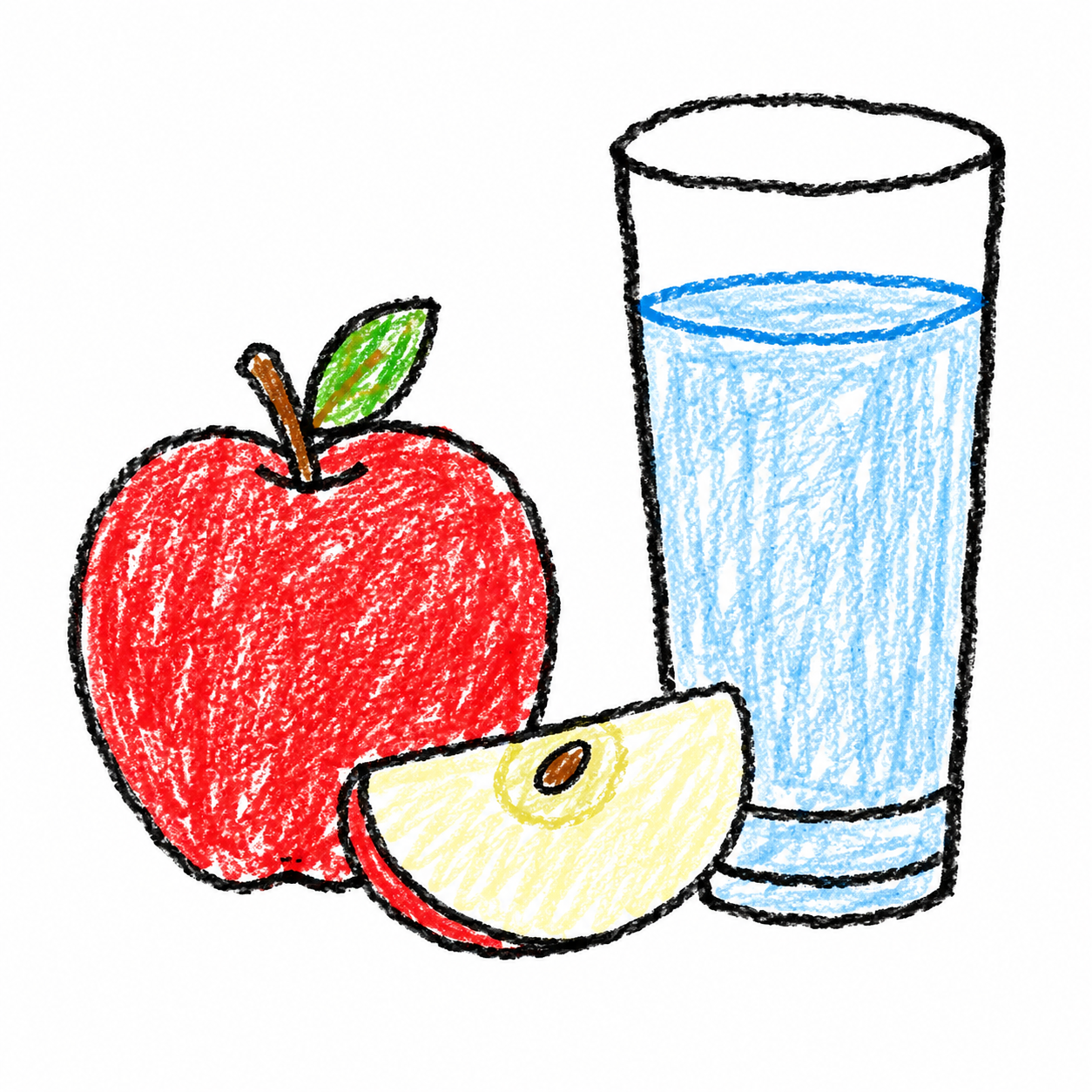
They are loaded with extreme acids that can literally dissolve the outer layer of tooth enamel, making teeth sensitive and highly prone to decay.
With new walking skills come "toddler tumbles." Mouth injuries are common at this age. If a tooth is knocked loose or out, contact us immediately. For baby teeth, we usually don't "re-plant" them, but we need to check for hidden damage to the gums or the permanent teeth waiting below.
"Knee-to-knee" for nervous toddlers, or the "big chair" for brave ones.
A gentle check-up every 6 months to monitor rapid dental growth.
Quick application of fluoride varnish to keep new molars strong.
Non-invasive treatments like SDF for any early soft spots.