
Please excuse our mess as this website is under construction
Please excuse our mess as this website is under construction
With a full set of primary teeth, preschoolers are eager to take a more active role in their daily routines. Teamwork is key during these years to ensure tight spaces are flossed, sugary snacks are minimized, and brushing stays a positive, consistent experience.
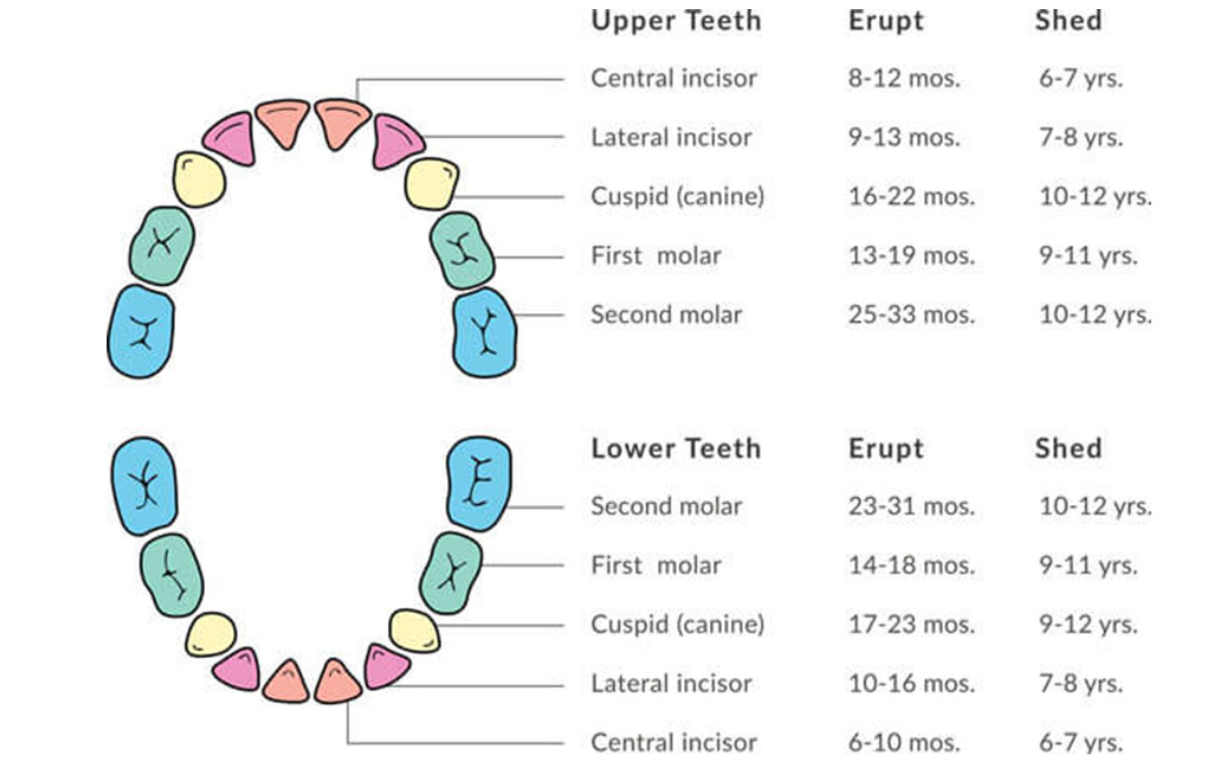
By age 3, most children have their full set of 20 primary (baby) teeth. Toward the end of this stage (around age 5 or 6), you might see the first "wiggly" tooth or notice the first permanent molars starting to peek through in the very back.

Graduate to a pea-sized amount of fluoride toothpaste at age three.

Continue assisting, as they don't yet have the dexterity to brush alone.
Make daily flossing essential to clean between tight back teeth.
Teach them to spit out toothpaste rather than swallowing it.
Preschoolers are learning independence, so establishing a consistent morning and nighttime brushing routine is vital. If your child still relies on a pacifier or sucks their thumb, this is the critical window to break the habit before the permanent teeth begin erupting, as prolonged sucking can alter the shape of the mouth and alignment of the teeth.
As kids start school and playdates, sugary snacks become more common. Limit 100% juice to no more than 4 ounces a day and prioritize whole foods.
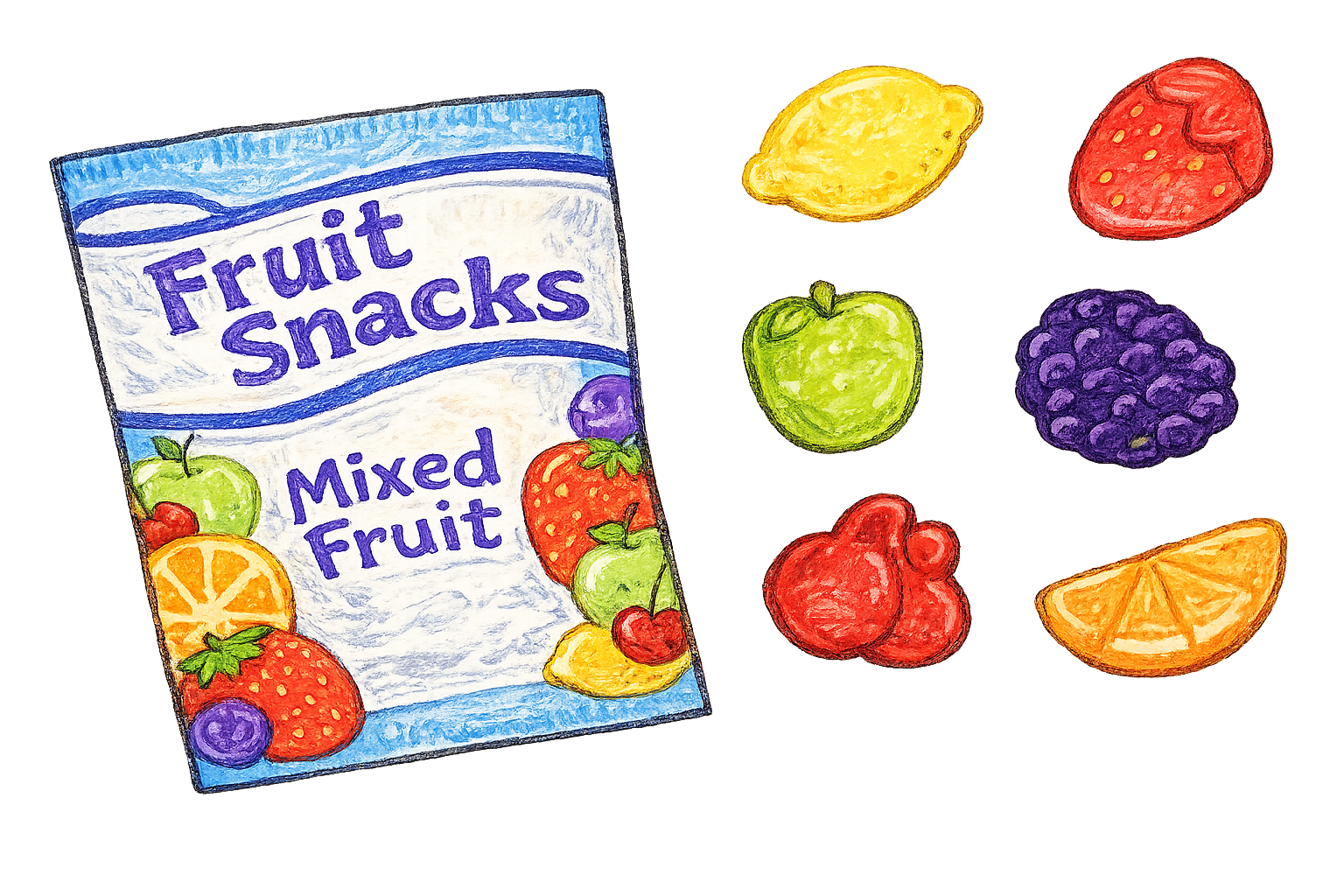
They are loaded with extreme acids that can literally dissolve the outer layer of tooth enamel, making teeth sensitive and highly prone to decay.

These fibrous vegetables require lots of chewing, which naturally "scrubs" the teeth and increases saliva flow to wash away debris.
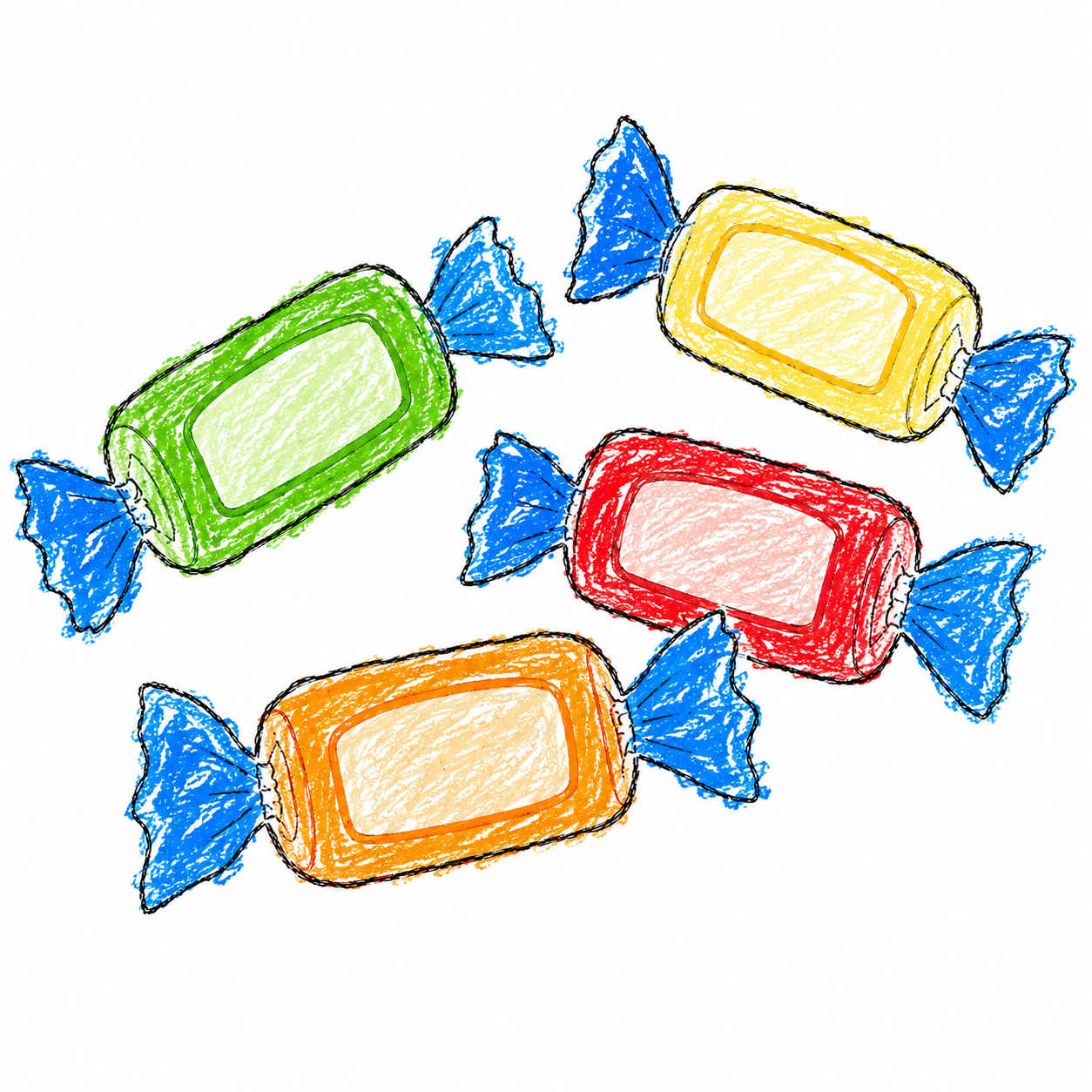
They are loaded with extreme acids that can literally dissolve the outer layer of tooth enamel, making teeth sensitive and highly prone to decay.

They are loaded with extreme acids that can literally dissolve the outer layer of tooth enamel, making teeth sensitive and highly prone to decay.

These are highly acidic and packed with sugar, creating a perfect storm for rapid enamel erosion and widespread cavities.
It makes hydration fun and flavorful for preschoolers without the destructive sugars or artificial acids.
This is the age of playgrounds and bikes. If a child knocks out a permanent tooth, time is of the essence. Find the tooth, hold it by the crown (not the root), rinse it gently, and try to place it back in the socket or keep it in a cup of milk while you head straight to our office.
Making the visit an exciting, positive experience for your growing child.
Gentle imaging to check for "hidden" cavities between tight back teeth.
Evaluating back molars to see if they have deep, cavity-prone grooves.
Discussing protective sealants to block out food and bacteria.