
Please excuse our mess as this website is under construction
Please excuse our mess as this website is under construction
Pregnancy is an exciting time to lay the groundwork for your baby’s future health. A focus on maternal nutrition and daily oral hygiene not only protects your own smile, but also provides the essential building blocks for your little one's developing teeth.
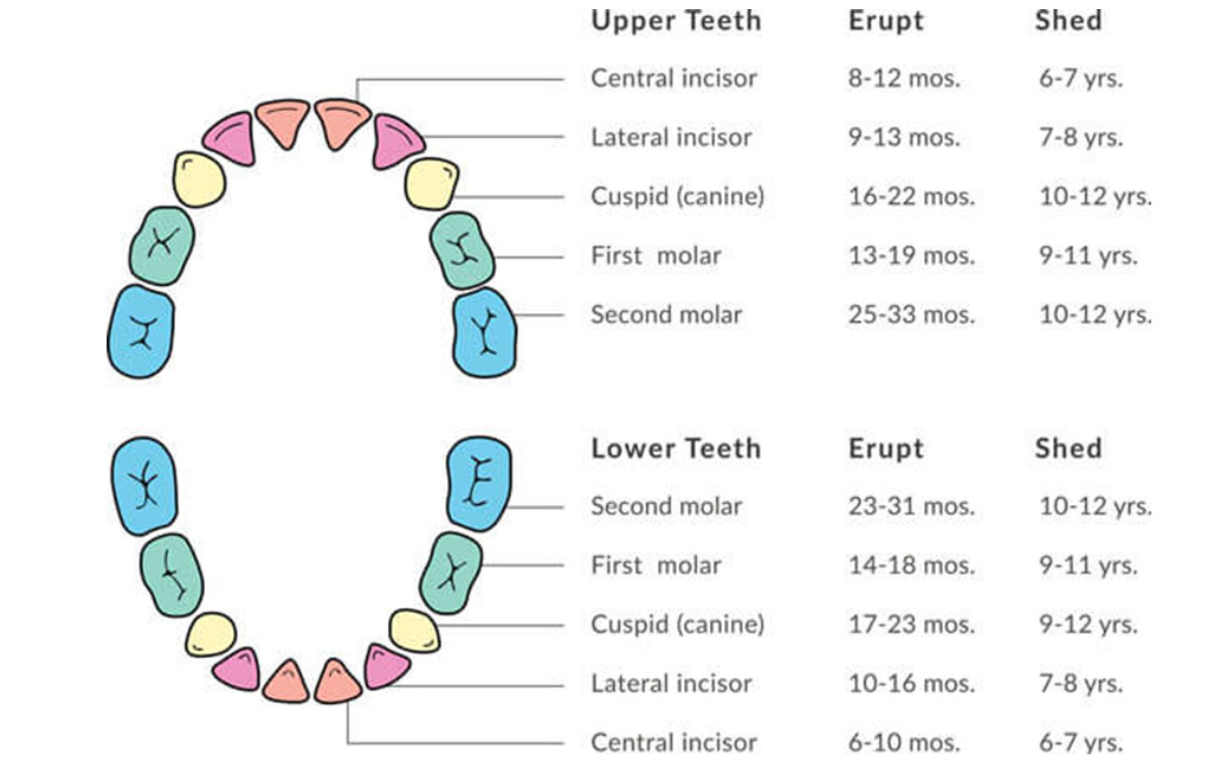
While you’re preparing for your little one’s arrival, their dental journey is already beginning! Tooth buds actually start forming in the second month of pregnancy. During this time, the nutrients you consume are the building blocks for your baby’s future smile.

Be extra diligent with daily flossing to prevent inflammation.

Pay close attention to tender or swollen gums caused by hormonal changes.
Remember your oral health is directly linked to your baby's well-being.
Maintain your regular professional dental cleanings during pregnancy.
Expectant mothers should establish a strong daily oral hygiene routine, including brushing twice a day with fluoride toothpaste and flossing daily. Avoid skipping brushing even if morning sickness makes it difficult, and try to use a bland-tasting toothpaste if you are sensitive to flavors. It is also important to limit saliva sharing after birth to prevent passing cavity-causing bacteria to your baby.
A balanced diet is critical for your baby's developing teeth, which begin forming early in pregnancy. Incorporate plenty of calcium, phosphorus, and vitamin D into your daily meals.

These are highly acidic and packed with sugar, creating a perfect storm for rapid enamel erosion and widespread cavities.
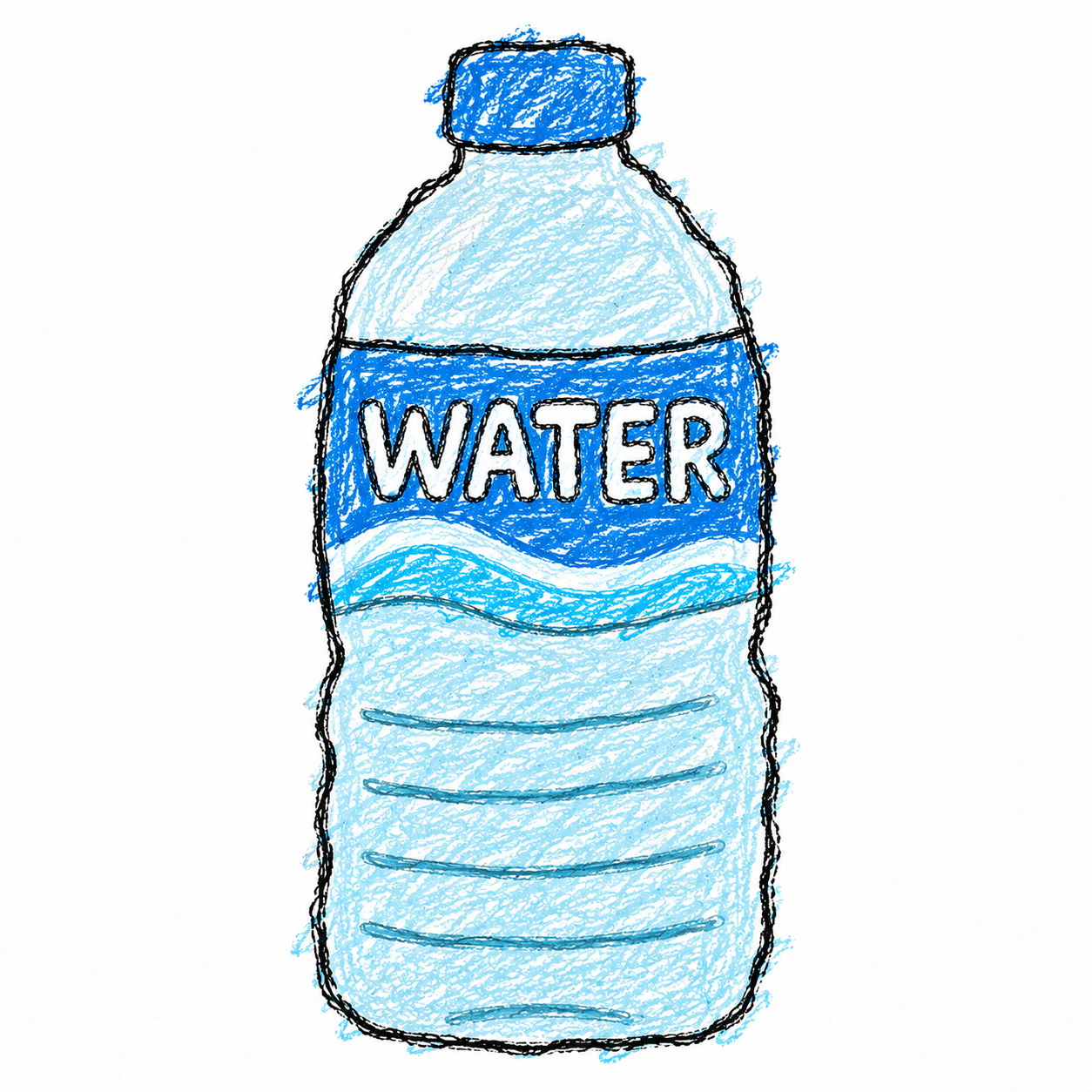
It makes hydration fun and flavorful for preschoolers without the destructive sugars or artificial acids.

They are loaded with extreme acids that can literally dissolve the outer layer of tooth enamel, making teeth sensitive and highly prone to decay.

They are loaded with extreme acids that can literally dissolve the outer layer of tooth enamel, making teeth sensitive and highly prone to decay.
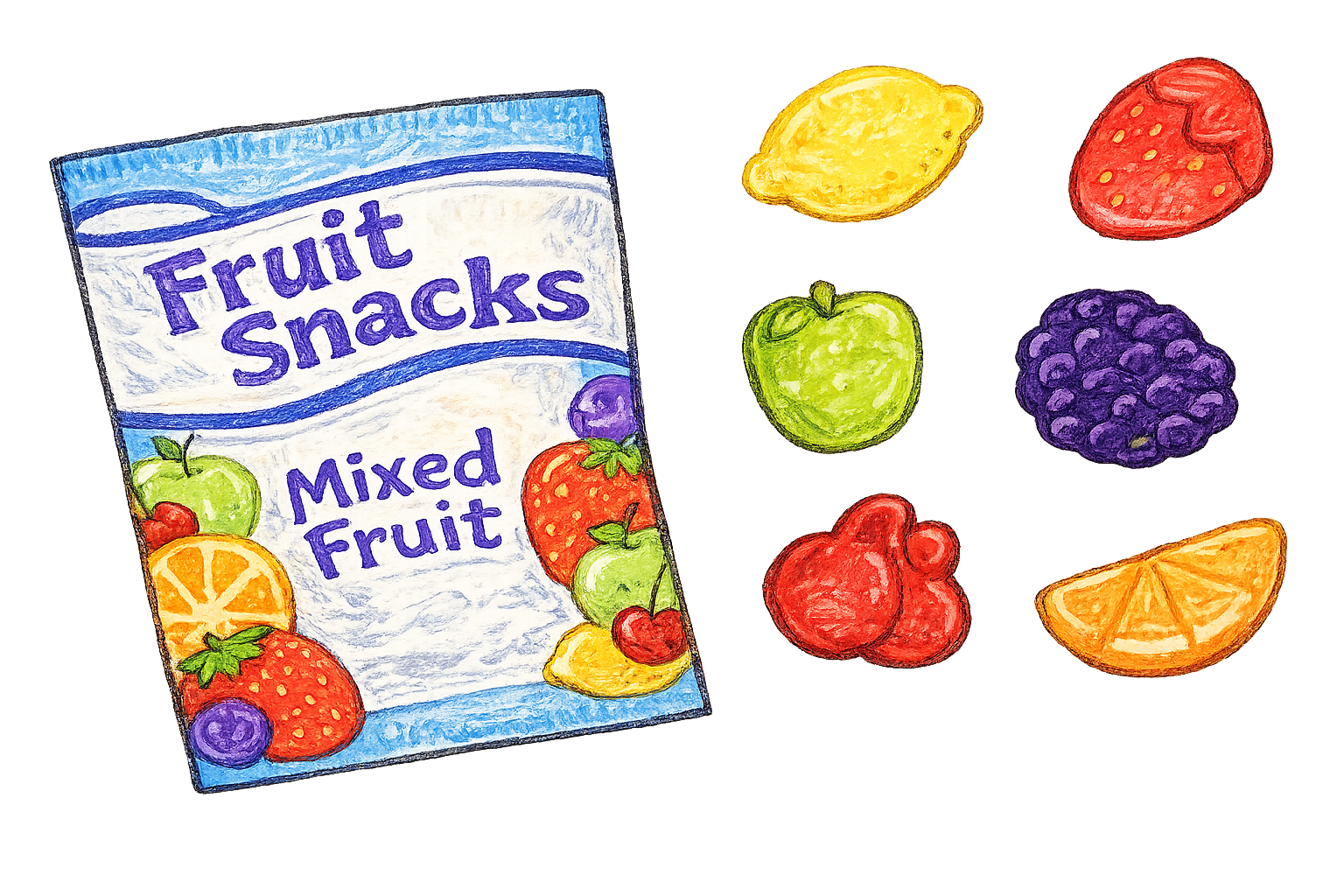
They are loaded with extreme acids that can literally dissolve the outer layer of tooth enamel, making teeth sensitive and highly prone to decay.

These fibrous vegetables require lots of chewing, which naturally "scrubs" the teeth and increases saliva flow to wash away debris.
While your baby is safe in the womb, your own teeth may be at risk if you experience morning sickness. Stomach acid can weaken enamel; if you experience nausea, rinse with water or a fluoride mouthwash immediately, but wait about 30 minutes to brush to avoid scrubbing the weakened enamel.
A comprehensive exam for the expectant mother before the baby arrives.
Special attention to gum health to address any pregnancy-related changes.
Tips and guidance for your baby's oral care during their first year.
Safe, comfortable treatments coordinated with your OB-GYN if needed.