
Please excuse our mess as this website is under construction

Please excuse our mess as this website is under construction
The first year is full of growth, comfort, and discovery. A calm oral health routine helps babies get used to gentle cleaning, supports healthy feeding habits, and gives parents confidence before the first dental visit.
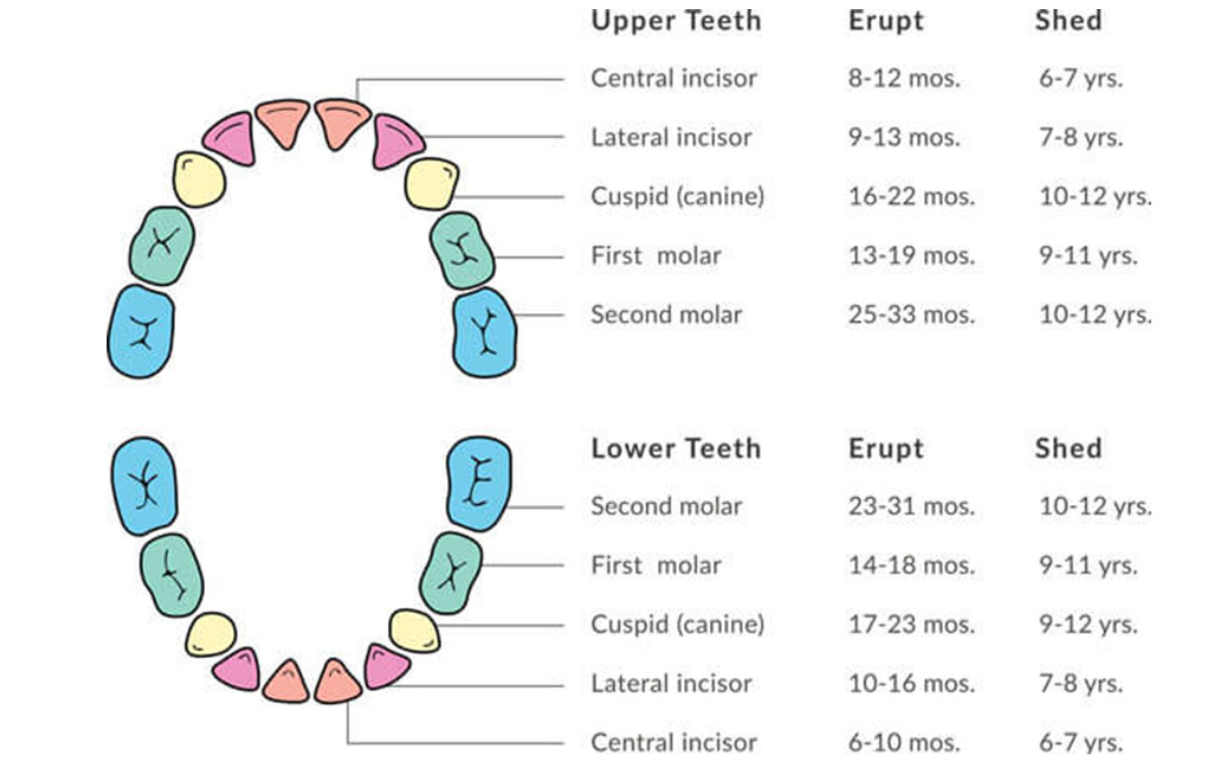
Teething is a major milestone! Most babies see their first lower front teeth (central incisors) pop up between 6–10 months, followed by the upper teeth around 8–12 months. You may notice increased drooling or a bit of fussiness as these first teeth break through.

Use a soft damp cloth to gently wipe gums and cheeks, especially at night time after feeding.

When teeth arrive, use a baby-sized toothbrush with gentle pressure.
Choose a predictable time so cleaning becomes part of daily care.
Use songs, smiles, and a calm voice to keep the habit positive.
Thumb sucking and pacifier use are natural self-soothing behaviors for babies, but they should be monitored. To prevent "baby bottle tooth decay," never put your baby to bed with a bottle of milk or juice. We also recommend limiting "saliva sharing" (like sharing spoons or cleaning a pacifier in your mouth) to avoid passing cavity-causing bacteria to your baby.
When your baby begins transitioning to solid foods, focus on nutritious options that support healthy growth. Be wary of hidden sugars in purees. When they start solids, watch out for these snacks:
As babies start to sit up, crawl, and eventually pull themselves up, tumbles are common. If your baby bumps their mouth and a tooth looks chipped or pushed, don't panic. Gently wipe the area with a cold cloth and call us right away to ensure the underlying permanent teeth are safe.
We follow the "First Visit by First Birthday" rule to get them comfortable early.
A gentle exam where your baby stays comfortably and safely in your lap.
Monitoring the healthy arrival of teeth and assessing cavity risks.
Quick application of a safe fluoride varnish to strengthen brand-new teeth.